Physical Address
304 North Cardinal St.
Dorchester Center, MA 02124
Physical Address
304 North Cardinal St.
Dorchester Center, MA 02124

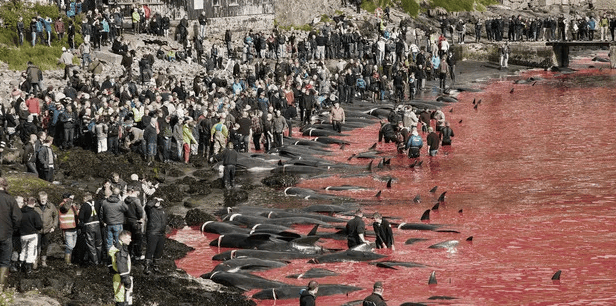
A total of 250 pilot whales were brutally slaughtered during a traditional hunt in the Faroe Islands on 2nd August 2015, drawing widespread international condemnation. The event, known locally as the Grindadráp, is a centuries‑old practice in which communities drive pods of whales into shallow bays before killing them for meat and cultural tradition.
While the Faroe Islands defend the hunt as a sustainable and regulated practice, global environmental groups argue that the Grindadráp is inhumane, unnecessary, and outdated, especially given modern conservation awareness and the intelligence of pilot whales.
On this date, multiple pods of pilot whales were spotted near the islands and driven toward designated killing bays. Once trapped in shallow waters, the whales were restrained and killed using traditional tools. The event resulted in approximately 250 whales being slaughtered in a single day — one of the larger hunts recorded that year.
The Grindadráp is not commercial; the meat is distributed among local communities. However, the scale of the hunt and the graphic nature of the killing process continue to spark global outrage.
Environmental and animal‑rights organisations highlight several concerns:
Supporters of the hunt argue that it is culturally significant, community‑driven, and regulated by local authorities.
Pilot whales are common in the North Atlantic, and the Faroe Islands have historically relied on them as a food source. The Grindadráp is not scheduled; it occurs only when pods are sighted near the islands. Each hunt is authorised by local officials, and the meat is shared among residents.
Despite this, the scale of some hunts — including the 250‑whale event on 2nd August 2015 — continues to fuel international debate.
The 2015 hunt triggered strong responses from:
Images and videos circulated online showing blood‑red waters and distressed whales, intensifying calls for the Faroe Islands to end the practice permanently.
Subscribe to get the latest posts sent to your email.
